
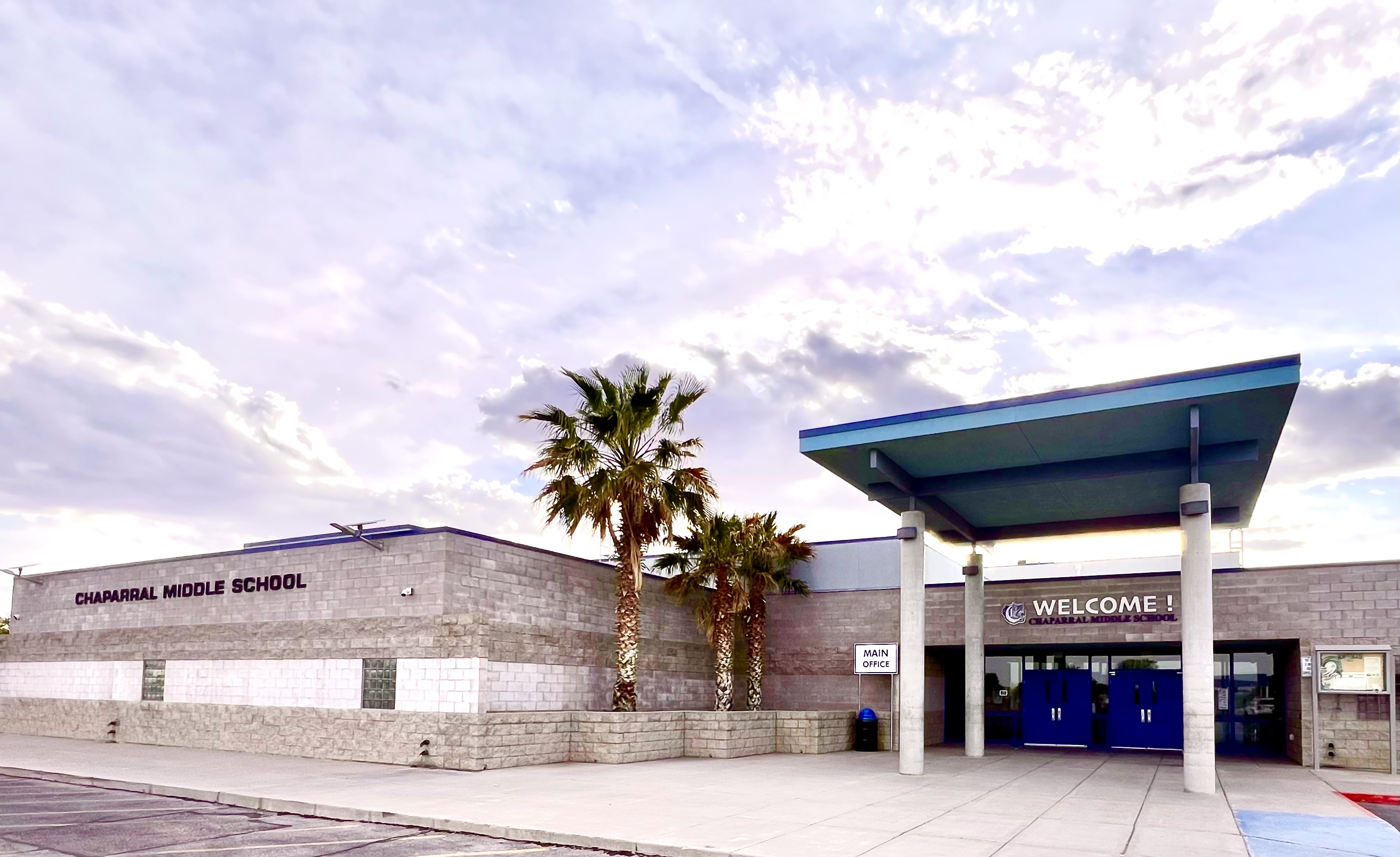
Dr. Jaime Acosta is consistently impressed by his middle school math students. They have proven themselves to be smart, agile, and ambitious, capable of completing assignments, learning procedures, and meeting expectations.
Yet, like many math teachers across the country, Dr. Acosta constantly heard the same refrains from students: math was “boring,” “useless,” or “unimportant.”
The issue was not ability. It was relevance.
Many of Dr. Acosta’s students (at Chaparral Middle School in rural New Mexico) are the first in their families to seriously consider postsecondary education and long-term career planning. They want to understand how the time and effort they invest in school connect to what comes next. If they’re going to spend hours each day mastering academic subjects, they want those efforts to matter beyond grades and accolades.
“Students want to know the why behind why they’re doing all this work,” Dr. Acosta says. “And I think P2C offers that.”
That belief led him to Pathway2Careers.
Hear directly from Dr. Acosta and his students as they share how career-connected learning has shaped their experiences in the classroom.
How P2C Fits His Classom
Dr. Acosta was not looking for a convoluted program or experimental add-on that would compete with instructional time. He needed something practical and proven that fit naturally into his existing math instruction and help students make sense of how math skills show up in high-value careers they can realistically aspire to.
P2C Math allows him to do exactly that; he’s able to incorporate career exploration without restructuring his math lessons or abandoning his teaching style. Students use math to explore occupations, review education requirements, and examine wage data, all within the context of skills they were already learning.
“P2C allows students to think and dream about what they’re going to do after high school. It’s wonderful to watch them work.”
— Dr. Jaime Acosta, Chaparral Middle School math teacher
Making Math Easy to Engage With
Dr. Acosta noticed changes in students’ attitudes from their very first day learning with P2C. Lessons finally feel grounded, students ask more questions, and class discussions are more focused—all because students understand the purpose behind the work.
“P2C definitely makes math relevant,” Dr. Acosta says. “It offers students experiential learning that helps them see where we’re using the math exactly.”
Each lesson, available digitally and as a PDF, makes it easier for him to introduce real-world context without creating additional planning burdens. Since career examples and data are already built into the experience, he can focus on offering the best, most engaging instruction rather than sourcing materials.
How Students Describe Their Experience
Dr. Acosta’s students consistently describe P2C Math as easy to use and helpful, particularly when it comes to navigating career information that can otherwise feel overwhelming. Having career details in one place makes exploration manageable—even fun!
“I really like how whenever I’m trying to explore a career, P2C just gives that information all in one area,” a student named Genevieve explains. “That’s really useful for me.”
Students also point to specific tools that help them think more realistically about the future. The New Mexico lifestyle calculator, for example, helps them understand how income, budgeting, and career choices connect.
“Before P2C, I was scrolling through so many websites trying to find something reliable. With P2C, it’s all presented in one place.”
— Willow, Chaparral Middle School student
From Career Exploration to Planning
For Dr. Acosta, one of the most meaningful outcomes of career-connected math is how students organically move from general interest to concrete planning. As they explore careers through P2C, learners begin narrowing their focus and thinking intentionally about next steps.
Some students discover careers they had not previously considered. Others begin translating that exploration into action by planning high school coursework or speaking with counselors about specific pathways.
“Knowing that I wanted to go into neurology has helped me plan the types of classes I’m gonna take in high school,” Carlette says. “I even put myself down for health classes all four years.”
Another student, JR, shares that learning more about medical and science careers shaped conversations with counselors about course placement.
“I’ve been speaking with the counselor to help me put myself in the health pathway so I’ll be able to learn more about medical stuff,” JR says.
A Classroom that Feels Different
As students gained clarity about how math connects to real careers, Dr. Acosta noticed changes in how they approached challenges. The work now feels purposeful, which motivates students to wrestle with difficult problems and persist through complex tasks.
This observation aligns with findings from P2C’s review of current research, which shows that when students see clear connections between academic work and future opportunities, they are more likely to engage deeply and persist through academically rigorous work.
In Dr. Acosta’s classroom, that research shows up in day-to-day practice. Students ask better questions, participate more actively in discussions, and stay engaged longer, even when math concepts become more demanding.
“Students want to know the why. And when they do, it opens up everything.”
— Dr. Jaime Acosta, Chaparral Middle School math teacher
Practical, Not Performative
One reason P2C has worked well in Dr. Acosta’s classroom is its practicality. The curriculum is easy to implement and flexible enough to support different lessons and learning goals.
Career exploration does not feel performative or forced. It is integrated into math instruction in a way that feels purposeful and relevant, both for students and for the teacher.
For Dr. Acosta, that balance matters. He wants tools that support learning, not distract from it.
“That’s the most powerful thing about the (P2C) math curriculum,” he says. “It connects what they’re learning to real careers and real life.”